Health screenings
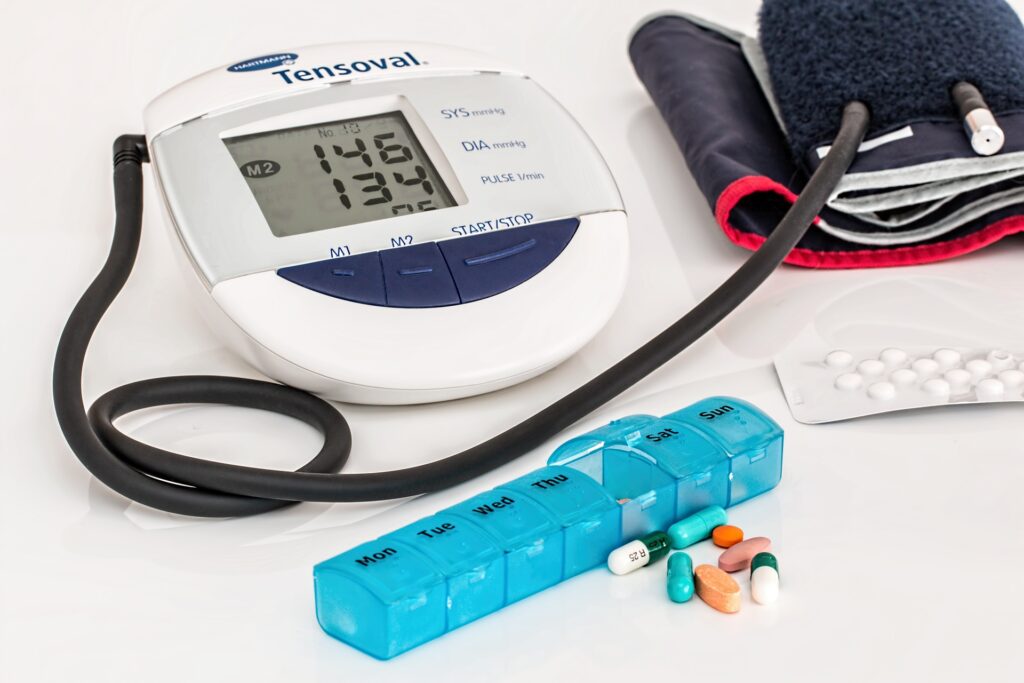
Community health screenings are key to our program, extending beyond early detection and management of common health issues. They show the commitment and involvement of our local communities. Held regularly in neighborhoods, these events offer free checks for vital health markers like blood pressure, blood sugar, and BMI. Local healthcare professionals and volunteers conduct screenings and provide basic medical advice, ensuring community members get timely and essential care.
Outreach of health materials and equipment
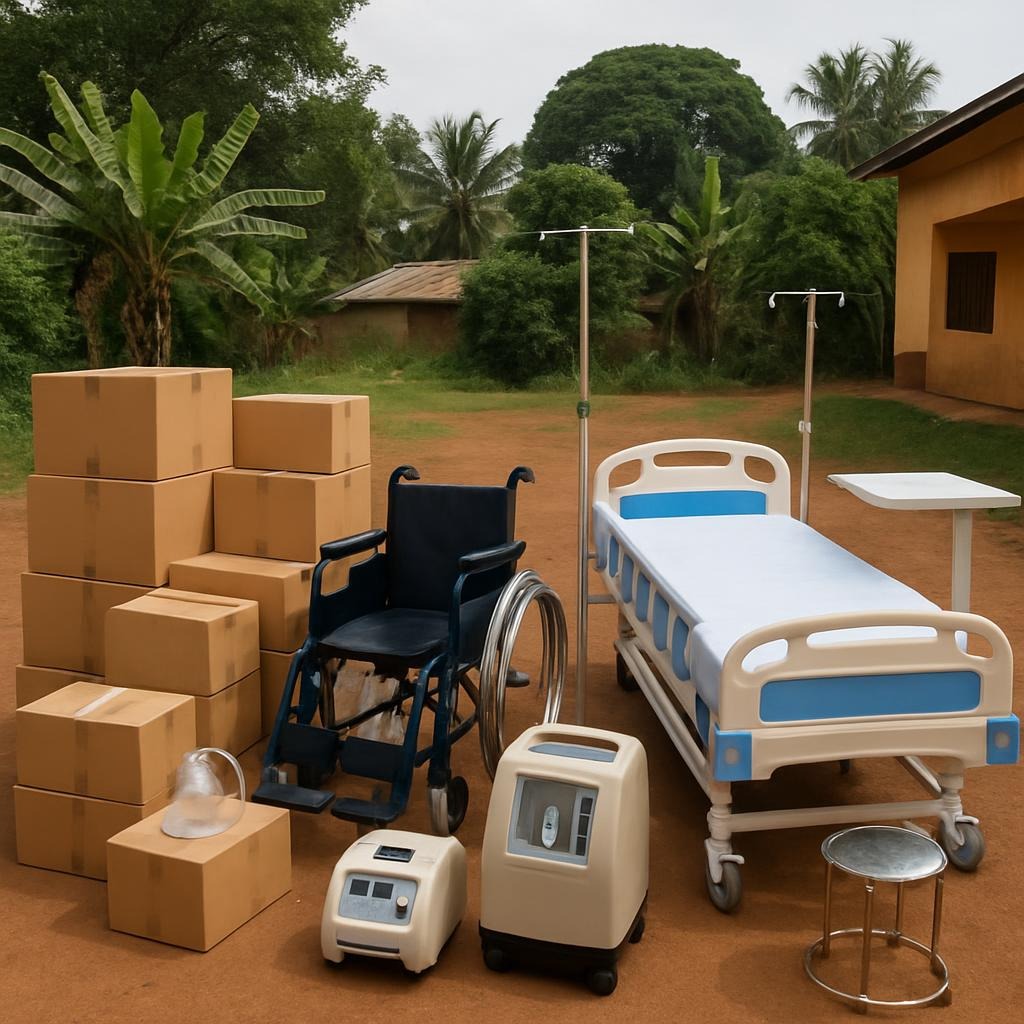
Ensuring health facilities, especially in rural and underserved urban areas, are well-equipped is key to our mission. We provide essential materials and equipment—like medical supplies, diagnostic tools, and protective gear—to these centers. By partnering with local governments, non-profits, and international groups, we secure and distribute vital resources. This boosts health centers’ ability to deliver quality care and supports healthcare workers relying on these tools.
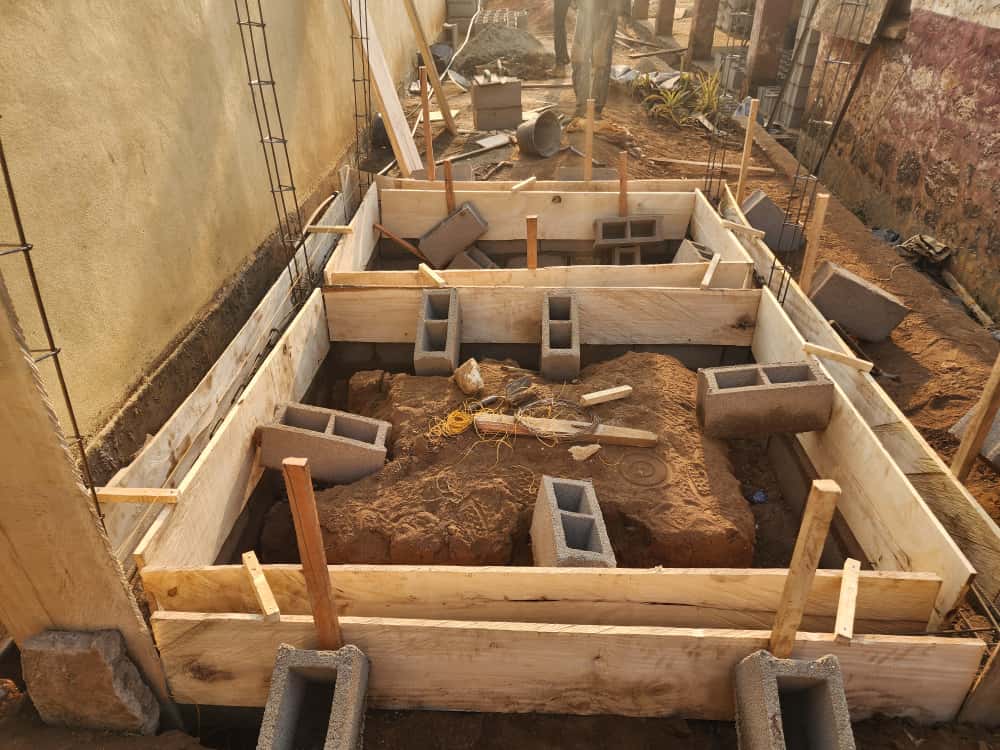
Construction and rehabilitation of health facilities
A key part of improving community health is ensuring healthcare facilities are accessible and well-equipped. Our program builds and renovates health centers, clinics, and hospitals in rural and urban areas. By investing in infrastructure, we create safe, welcoming spaces for patients and staff. This involves renovating buildings, constructing new facilities, and equipping them with modern tools. These efforts expand healthcare access, improve service quality, and support healthier communities.
Empowering community health champions
Our program goes beyond health education and screenings. It empowers community members to become health champions. We train passionate individuals as ambassadors to promote health and well-being. With thorough training and support, you use your skills and experiences to improve health in our community. You raise awareness, share key health information, break down barriers, and create supportive environments. With ongoing resources and encouragement, you influence local services, increase civic engagement, and drive initiatives addressing both personal health and wider social factors.

Health education workshops
Health education workshops empower communities with knowledge and skills for healthier lives. They cover hygiene, nutrition, disease prevention, and maternal and child health. Using local languages and interactive materials, the sessions ensure clear understanding and active participation. This method boosts health awareness and encourages lasting healthy habits.
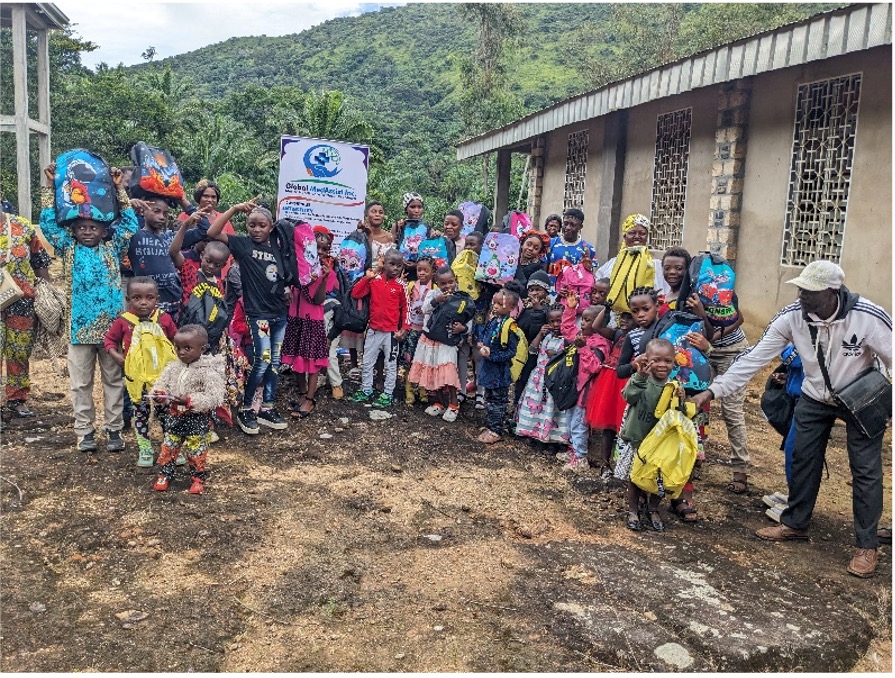
Distribution of health kits
Distributing health kits—with soap, sanitizer, masks, bandages, and hygiene pamphlets—is key to community health efforts. These kits go to those in need, with supplies sourced locally or donated by businesses, residents, and organizations. This method ensures necessary items and promotes community involvement in health and well-being.
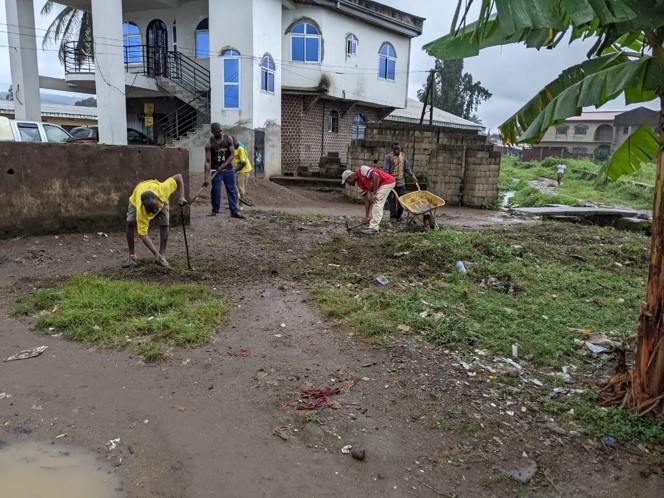
Community clean-up initiatives
Community clean-up initiatives are crucial for promoting environmental health and preventing diseases. Often held on health awareness days, they encourage community members to keep their surroundings clean and hygienic. Local civic groups, schools, and businesses play key roles in identifying issues, leading recycling drives, and beautifying areas. Activities like trash collection contests, graffiti removal, and composting yard and food waste engage the community and highlight cleanliness and hygiene. These efforts improve quality of life and build pride and ownership among residents.
Partnerships with local leaders and organizations
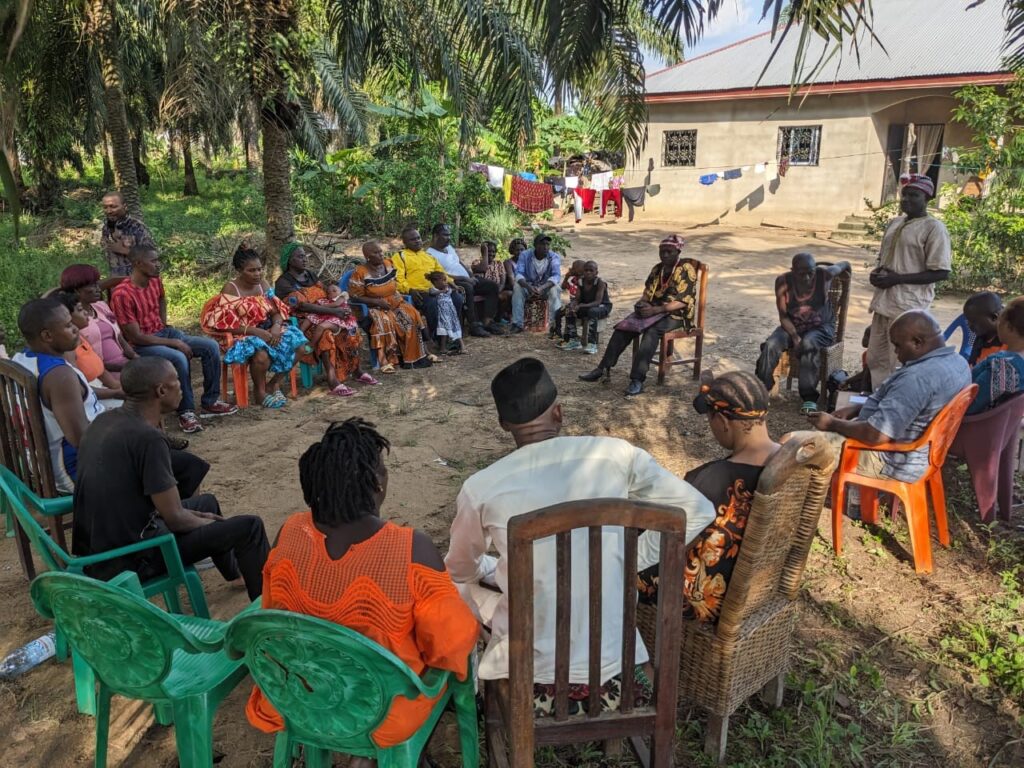
Collaboration with local leaders, community groups, and healthcare facilities is key to expanding community health efforts. These partnerships pool resources and expertise, with leaders providing guidance, organizations supporting program delivery, and healthcare facilities offering medical knowledge. This teamwork boosts program impact and fosters community ownership, leading to lasting health improvements.